When Cheap Becomes Costly
Recently, my cousin messaged our family group chat that made my heart sink.
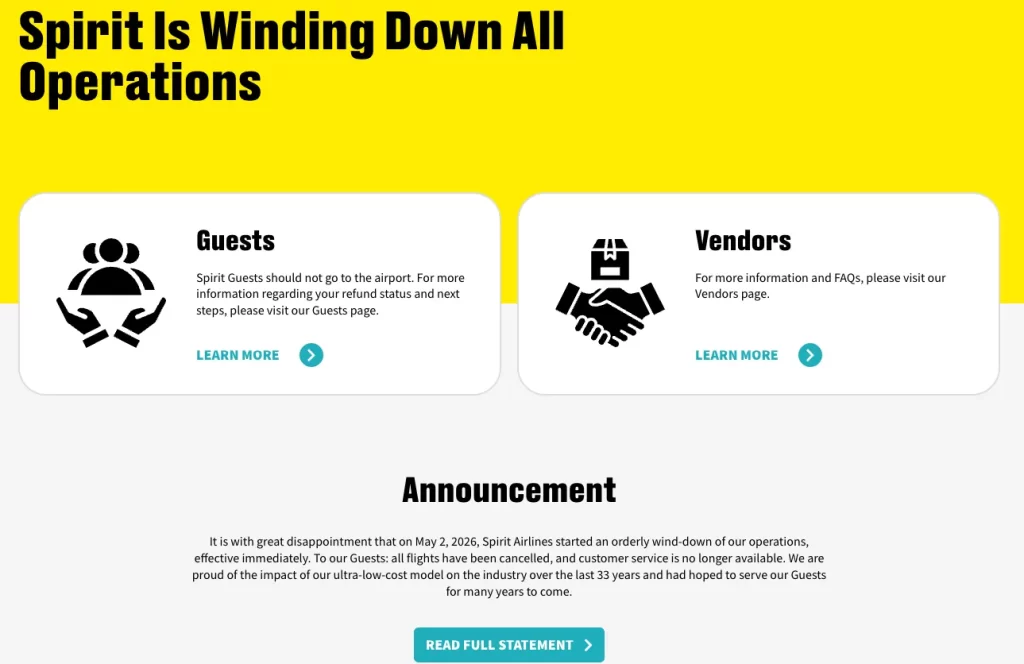
Her Spirit Airlines flight to South Carolina had been canceled without warning. No meaningful explanation. Just… gone.
She scrambled to rebook, only to find that other flights were either unavailable or outrageously expensive at the last minute. And she wasn’t alone, there were so many frustrated passengers who had all been blindsided by the same abrupt decision.
This wasn’t just an inconvenience. It was a breakdown of trust.
As I started reading articles online to find out what really happened, I began to wonder: How often do businesses, maybe even yours, put price ahead of experience and unknowingly put themselves at risk?
A Race to the Bottom Is Still a Race
Spirit Airlines built its brand around one core promise: the lowest price.
And for a long time, their “budget” airline strategy worked. Customers tolerated tight seats, add‑on fees, and bare‑bones service because the ticket was cheap. The unspoken agreement was clear: you’ll save money, but don’t expect much else.
But as John DiJulius, author and founder of The DiJulius Group, points out in his recent article, “Spirit Airlines Is Gone. I’ve Been Saying This Would Happen for Years,” when price becomes the strategy instead of a lever, businesses leave themselves dangerously exposed.
When something goes wrong, and eventually, it does, there’s no goodwill bank to draw from. No emotional loyalty. No grace from the customer.
Just frustration.
Cheap Is Easy to Replace. Experience Is Not.
The reality is, if the primary reason clients choose you is price, then price is also the easiest reason for them to leave.
Clients don’t stay loyal to the cheapest option. They stay loyal to the most dependable, consistent, and human experience.
Spirit didn’t lose customers because of one canceled flight. They lost customers because there was no relationship to protect.
No trust. No empathy. No sense that the company truly had the passenger’s back.
A Question Every Business Owner Needs to Ask
Reading my cousin’s text and Jon DiJulius’s article, forced me to pause and reflect. I asked myself this question, now I’m asking you:
Are you competing on price… or on experience?
Consider this honestly:
- Do your marketing messages lead with cost before outcomes?
- Do your clients feel cared for when something goes wrong, or merely processed?
- Are your systems designed for efficiency only, or for reassurance and clarity?
- If you raised your prices tomorrow, would your best clients stay?
If the answer makes you uncomfortable, that’s not a failure, consider it an opportunity.
Experience Is Your Ultimate Differentiator
Client experience isn’t about luxury. It’s about intentionality.
It’s about:
- Clear communication before confusion sets in
- Proactive outreach instead of reactive damage control
- Making people feel seen, heard, and valued, especially when things aren’t perfect
In small businesses, this matters even more than it does for big brands. You don’t have billions in advertising to rebuild trust. You have relationships.
And relationships are built on how people feel after interacting with you.
Don’t Let Price Be the Only Reason They Choose You
Spirit Airlines taught us something important, you can win on price for a while, but you win long‑term on experience and value.
So before you discount again. Before you position yourself as “the affordable option.” Before you race to match a competitor’s pricing. Put yourself in your client’s shoes and ask:
What does it feel like to be my client, especially on a bad day?
Because in the end, when the flight gets canceled, when the plan falls apart, when the unexpected happens…
Experience is what people remember.
And experience is what keeps them coming back.
Ready to build a client experience that keeps people coming back? Let’s talk.
Originally published on Substack.